Chiropractic medicine has transformed dramatically since its beginnings in the late 19th century. What started as a manual technique focused on spinal alignment has evolved into a comprehensive, research-informed approach to musculoskeletal and nervous system health. Today, chiropractors are movement specialists, rehabilitation guides, and collaborative healthcare partners—but this evolution didn’t happen by accident. It was shaped by pioneers who pushed the profession beyond its original borders.
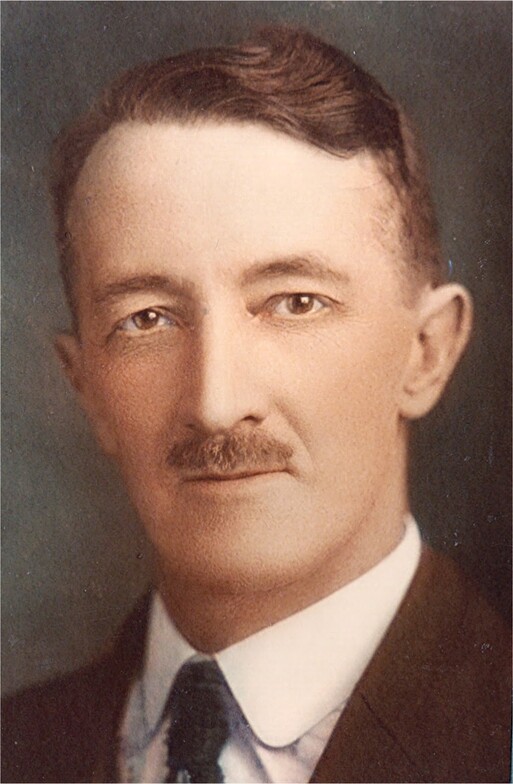
One of the most important—and often overlooked—figures in this transformation is Dr. John Fitz Alan Howard, founder of the institution now known as the National University of Health Sciences (NUHS). His philosophy helped redefine how chiropractic is viewed in the broader landscape of healthcare.
Early Chiropractic: A Singular Vision
Chiropractic was founded on the belief that spinal adjustments could influence the body’s natural healing processes. Early practitioners centered much of their treatment around this idea, working largely outside traditional medical systems and advocating for a stand-alone approach.
While these origins formed the backbone of the profession, they also created limitations in how chiropractic care was perceived and integrated into broader healthcare strategies.
Dr. John Fitz Alan Howard: The Quiet Revolutionary
In 1906—just 11 years after the first chiropractic adjustment—Dr. John Fitz Alan Howard opened what would eventually become National University of Health Sciences. Unlike many early practitioners, Dr. Howard envisioned chiropractic not as an isolated healing art but as a tool within a wider medical framework.
He believed chiropractors should be:
- grounded in anatomical and physiological science
- capable of working alongside other medical professionals t
- rained to integrate multiple therapeutic approaches
- focused on patient outcomes above philosophy
Dr. Howard championed a more comprehensive, medically literate chiropractor—long before integrative healthcare became mainstream.
The Almost-Erased Legacy
Despite his influence, Dr. Howard’s contributions were nearly lost to history. His integrative and collaborative perspectives challenged dominant voices at the time, and as a result, he was often excluded from early chiropractic narratives.
Yet his impact is undeniable:
- He helped establish diagnostic standards in chiropractic education
- He promoted interdisciplinary collaboration, a radical concept in the early 1900s
- He set the stage for chiropractors who know when to treat, when to co-manage, and when to refer
- He laid the groundwork for chiropractic as a comprehensive clinical profession, not just a single technique.
Today’s evidence-based chiropractic model reflects the very principles Dr. Howard fought to instill.
The Rise of Evidence-Informed Practice
From the mid-20th century onward, research began to validate chiropractic care as an effective treatment for low back pain, neck pain, headaches, and other musculoskeletal conditions. As clinical trials, biomechanics research, and pain science advanced, the profession shifted toward a more integrated, scientific approach.
This evolution mirrored the blueprint Dr. Howard envisioned—chiropractic as a scientifically grounded discipline that works with mainstream medicine, not against it.
A Modern, Multimodal Toolbox
Today’s chiropractors combine spinal adjustments with a wide range of therapeutic tools, including:
- mobility and stability training
- soft tissue therapies
- neuromuscular re-education
- ergonomic and lifestyle interventions
- movement assessments and corrective exercise
- performance and injury-prevention strategies
This holistic approach reflects the profession’s growth from a singular technique to a personalized, patient-centered system of care.
How the Past Shapes the Future—But Never Defines It
While the roots of chiropractic medicine provide valuable insight into where the profession began, they do not determine where it is capable of going. The past shapes our foundation, but it does not confine our potential.
To claim that chiropractic care has not evolved since its infancy is to overlook the tremendous advancements in research, movement science, clinical reasoning, and interdisciplinary collaboration. Such generalizations don’t reflect the reality of modern chiropractic—they reveal a gap in understanding.
And within that gap lies an opportunity for growth. Not just for the chiropractic profession, but for the medical community at large.
Chiropractic’s evolution shows that healthcare is never static. It thrives when clinicians challenge assumptions, expand their knowledge, and collaborate across disciplines. As chiropractors continue embracing innovation and integrating care models, the profession serves as a powerful example of how medicine can—and should—grow: through openness, evidence, cooperation, and a commitment to helping people move and live better.
Where Chiropractic Is Heading
The future of chiropractic medicine aligns strongly with Howard’s original philosophy: collaborative, integrative, and patient-centered.
We’re seeing continued growth in:
- partnerships with physical therapists, physicians, and trainers
- interdisciplinary clinics and team-based patient care
- active-care models that blend manual therapy with functional exercise
- conservative pain management strategies
- preventative, performance-focused treatment approaches
Chiropractic is no longer viewed as an isolated alternative treatment, but as a key component of the musculoskeletal care continuum.
Final Thoughts
Modern chiropractic medicine stands on the shoulders of pioneers—some celebrated, others nearly forgotten. Dr. John Fitz Alan Howard’s vision for integration, collaboration, and medical literacy helped shape the profession into what it is today: a dynamic, evidence-driven, whole-body approach to wellness and movement.
His legacy reminds us that chiropractic’s true power emerges when it stands at the forefront of collaborative, innovative, whole-person care—exactly where modern healthcare is headed.
References
-
National University of Health Sciences. History of NUHS and Dr. John Fitz Alan Howard. NUHS Archives.
-
Keating, J. C. (2004). A History of Chiropractic Education in North America: Report to the Council on Chiropractic Education.
-
Palmer, D. D. (1910). The Chiropractor’s Adjuster: Text-Book of the Science, Art and Philosophy of Chiropractic.
-
Brown, R. (2013). “The Early Evolution of Chiropractic.” Journal of Chiropractic Humanities, 20(1), 34–44.
-
World Health Organization. (2005). WHO Guidelines on Basic Training and Safety in Chiropractic.
-
Paige, N. M., Miake-Lye, I. M., et al. (2017). “Evidence for the Effectiveness of Spinal Manipulation for Low Back Pain.” Annals of Internal Medicine, 166(7), 463–477.
-
Hurwitz, E. L., et al. (2008). “Chiropractic Care and Research-Based Approaches to Musculoskeletal Pain.” Journal of Manipulative and Physiological Therapeutics, 31(9), 659–674.
-
Bronfort, G., Haas, M., Evans, R., & Bouter, L. (2004). “Efficacy of Spinal Manipulation and Mobilization for Low Back Pain and Neck Pain.” Spine Journal, 4(3), 335–356.
-
Hartvigsen, J., et al. (2018). “What Low Back Pain Is and Why We Need to Pay Attention.” Lancet, 391(10137), 2356–2367.
-
Evans, D. W., Breen, A., & Murphy, D. (2017). “Multimodal Approaches in Modern Chiropractic Practice.” Musculoskeletal Science & Practice, 29, 51–57.

Krista Ribando
Contact Me